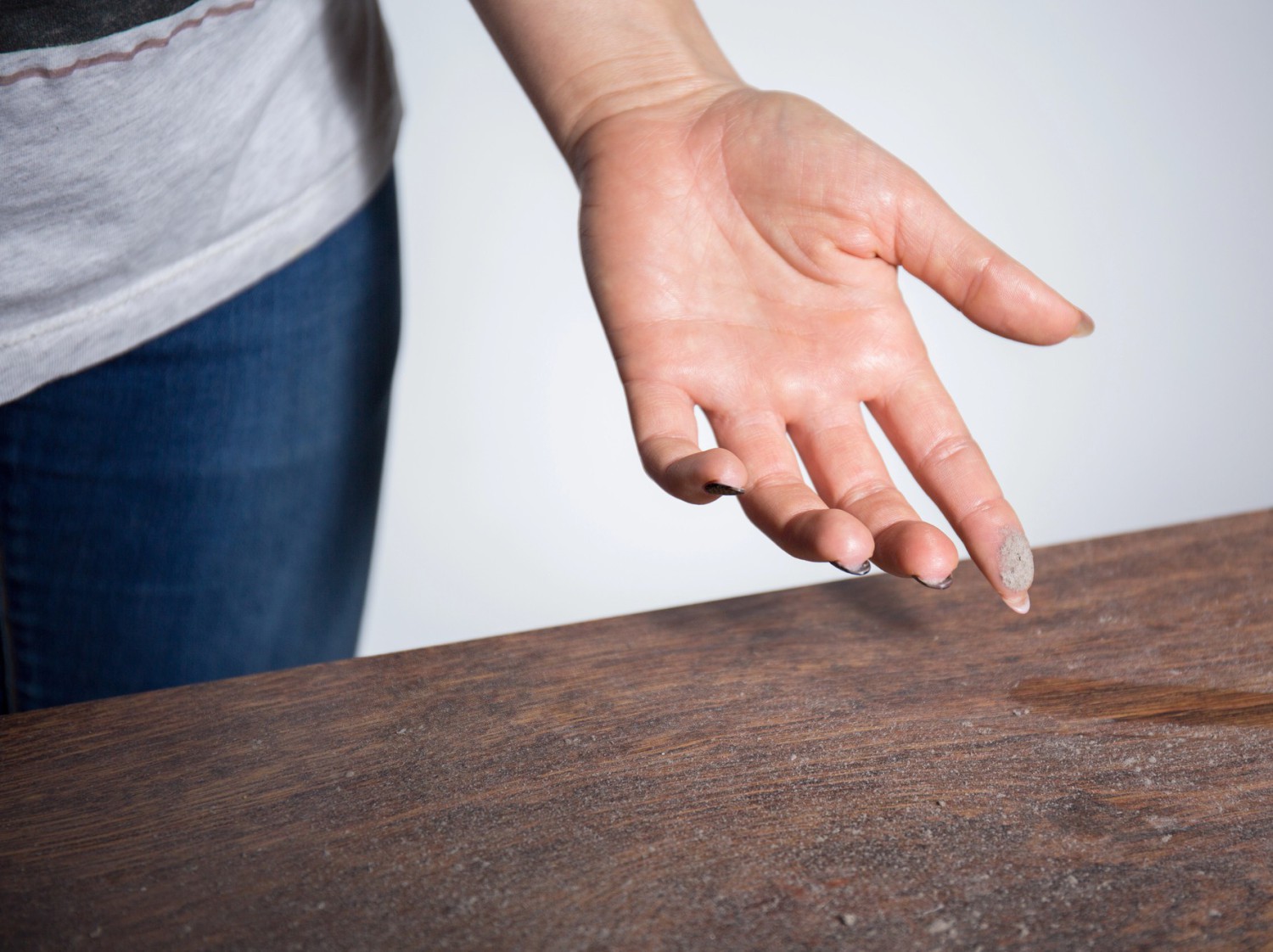
You clean a room, and a few days later, a thin layer of dust has already gathered on the furniture again. Yet in another part of the house, the surfaces stay pristine for much longer. Why?
There may be various reasons for this, often unrelated to your cleaning habits.
What’s It Like Outdoors?
The amount of dust that gets into a house depends very much on conditions outside. Especially if a property is close to:
- a very busy street;
- a real estate development site;
- a playground with sandpits;
- an area undergoing roadworks.
The most affected rooms will be those that open directly onto these zones.
Airborne particles can be carried by the wind and settle on exterior surfaces. Some particles may then enter the house through open windows or doors, or even the ventilation ducts.
Is the Airflow Optimal or Poor?
Dust doesn’t always rest quietly on the floor. Small particles can drift through the air, then fall on furniture and other surfaces.
In a well-ventilated room, particles can rise back into the air and travel more freely. Heating, ventilation, and air-conditioning systems can increase the number of airborne particles, as can fans and occupants moving about frequently.
And so, certain surfaces may accumulate more dust depending on the room’s layout and airflow.
Do You Have Pets?
Is the room that’s always full of dust, by any chance, your pet’s favourite room?
Dogs and cats, when allowed outside, tend to bring outdoor particles stuck to their paws and fur into the house when they come in. They can thus spread dust, soil, and other debris throughout the house, which will gradually build up in the rooms where they spend most of their time.
And that’s not even taking daily shedding into account!
Is the Family’s Favourite Room the Most Affected?
The more a room is used, the more it’s likely to gather dust particles. Every time you move around, you may stir up a small amount of dust lying on the floor. Clothes, shoes, and objects moved from one room to another can also contribute to this build-up.
Does the Dust Show Up More on Certain Colours?
Sometimes, the issue is less the room itself than some of the decor choices. Dust may seem to accumulate more quickly because it’s much more noticeable on certain colours and types of surfaces.
In other words, the difference lies not necessarily in the amount of dust, but rather in its visibility on particular surfaces. Here are some examples:
- dark furniture;
- shiny surfaces;
- monochrome floors.
Do Some Textures Attract More Dust?
Rooms with a lot of textile furnishings can appear dustier. In reality, these materials simply trap dirt, fibres, and hair and release them every time you move around.
The main culprits:
- rugs and carpeting;
- curtains;
- throws;
- cushions;
- upholstered furniture.
Let’s add one more item to this list—something that isn’t a textile, but which collects dust due to its electrostatic charge: electronic devices.
What Can You Do?
The next time you see a new layer of dust only a few days after a meticulous cleaning session, remember that it isn’t you. The house itself, as well as what’s going on around it, can produce particles and help deposit them all over the place.
Unfortunately, no magic bullet exists for minimizing dust build-up. Regularly vacuuming, washing textiles (preferably in the laundry machine), and cleaning or replacing your ventilation or heating systems’ filters are your best defence..